Baby Food · 6+ months
Ragi Porridge for Babies (Kezhvaragu Kanji)
கேழ்வரகு கஞ்சி
This is the first solid food in most Tamil homes, and there is a reason it has lasted: two ingredients, ten minutes, and more calcium than almost anything else you could give a six-month-old. The only thing that goes wrong is lumps — and that is fixed entirely in the first step.
Method
-
Make a cold slurry
Put the ragi flour in a bowl and add about a quarter of the water — room temperature, not hot. Whisk until it is completely smooth, like thin cream. This single step is the whole recipe. Flour added to hot water seizes into lumps that no amount of stirring will fix.
-
Cook low and slow
Pour the slurry and the rest of the water into a small pan. Keep the heat low and stir constantly with a whisk for 7 to 10 minutes. Do not walk away — ragi catches on the bottom of the pan quickly.
-
Watch for the change
The porridge thickens, turns glossy, and the colour deepens. Most importantly, the raw floury smell disappears. That smell going is how you know it is properly cooked — undercooked ragi is hard on a small stomach.
-
Cool, then loosen
Off the heat, let it cool until it is only just warm. Stir in breast milk or formula a spoonful at a time until it is the thickness your baby handles — thinner at first, gradually thicker as they get used to it.
-
Serve fresh
Test the temperature on the inside of your wrist before feeding. Make it fresh each time rather than storing it.
The one mistake everyone makes
Adding ragi flour straight into boiling water. It lumps instantly, and straining it afterwards throws away half the porridge. Cold water first, always.
Getting the consistency right
A baby just starting solids needs this thin — closer to a drinkable kanji than a porridge. Over the following weeks, thicken it gradually by using a little less water. By around eight months most babies manage a proper spoonable porridge.
What to add, and when
- 6–8 months: Nothing at all. Plain ragi and water, loosened with milk.
- From 8 months: A quarter teaspoon of ghee, for energy and to help absorb fat-soluble vitamins.
- From 8 months: A tablespoon of mashed banana or stewed apple, stirred in after cooking.
- After 1 year: A little jaggery, if you want it sweetened. Not before.
Sprouted ragi flour is worth it
Sprouting the millet before grinding breaks down some of the phytates that block iron and calcium absorption, and it makes the porridge easier to digest. You can buy sprouted ragi flour, or sprout and dry the whole millet at home and take it to the local mill. If you only have plain ragi flour, the recipe works exactly the same.
Please note
No added sugar, salt or honey before twelve months — honey in particular carries a risk of infant botulism under one year. Introduce any new food on its own for three days before adding another, and talk to your paediatrician before starting solids. This is a recipe, not medical advice.
Questions people ask
At what age can babies eat ragi porridge?
Usually from around six months, when a baby starts solids. Begin with one or two teaspoons of a thin porridge, keep it as the only new food for three days, and check with your paediatrician before you start.
Can I add sugar or jaggery?
Not before one year, and it genuinely is not needed. Babies accept plain ragi without complaint, and starting unsweetened makes it much easier to keep sugar out of their food later on.
How do I stop it going lumpy?
Mix the flour into cold or room-temperature water and whisk it smooth before it goes anywhere near the stove. That is the only thing that matters.
Can I make a batch and store it?
Make it fresh for each feed. Cooked porridge left at room temperature is not safe for a baby, and it sets solid in the fridge. It takes ten minutes.
Ragi for adults too?
Same method, bigger quantity. Cook it with buttermilk instead of water, add salt and a small onion, and you have the summer kanji people in Tamil Nadu drink cold.
Next, try these
 Smoothies
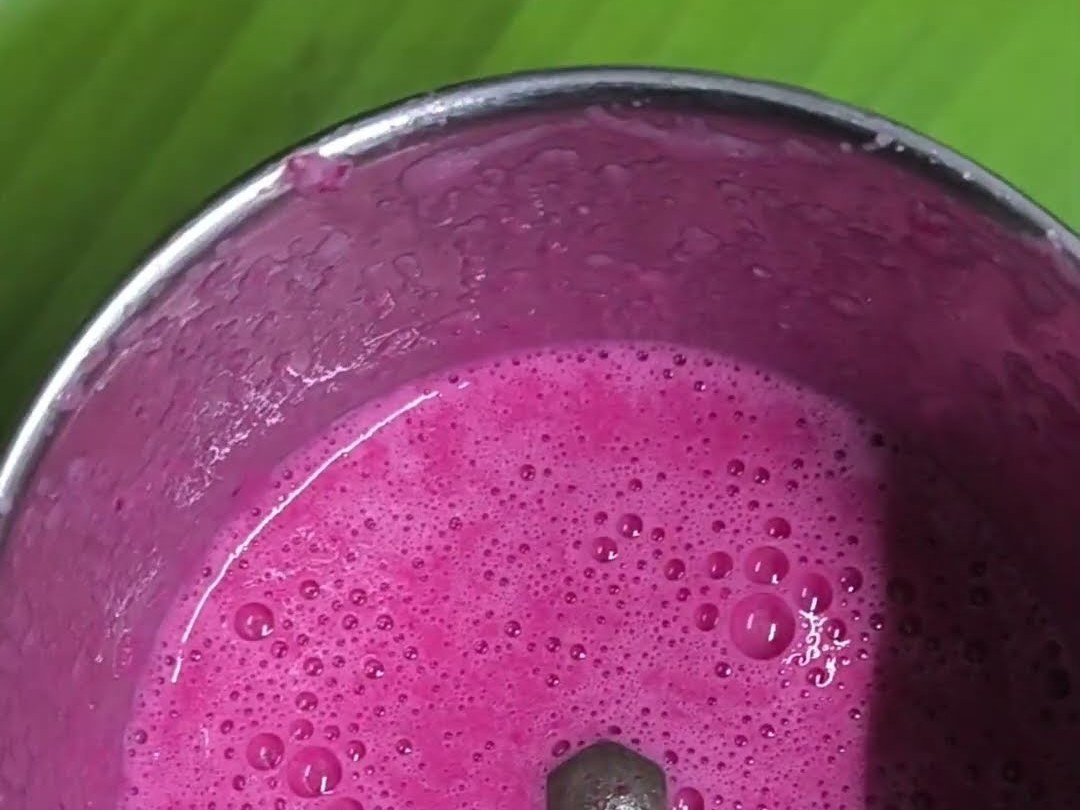
Karuppu Ulunthu Beetroot Milk Smoothie for Toddlers
Bright pink, naturally sweet, and packed with iron. Our most-watched recipe.
 Baby Food
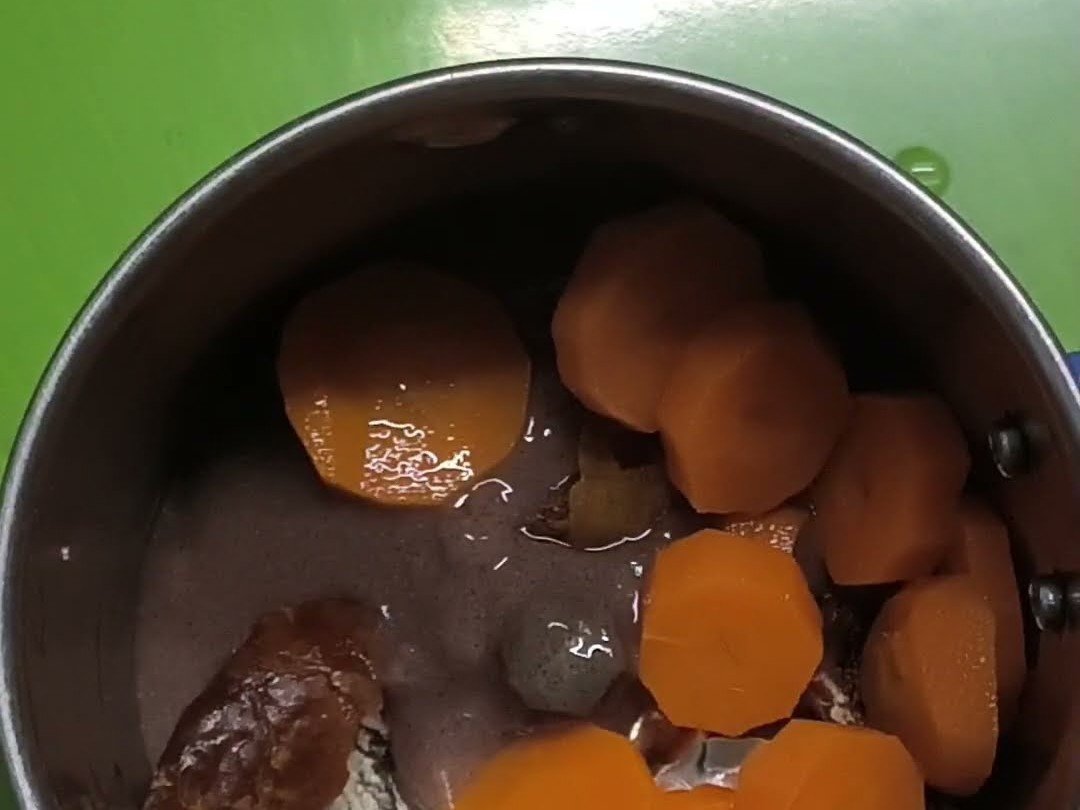
Ragi, Dates and Carrot Baby Food (No Added Sugar)
Naturally sweet, filling and nutritious. The dates do the sweetening, so no sugar goes in.
 Drinks
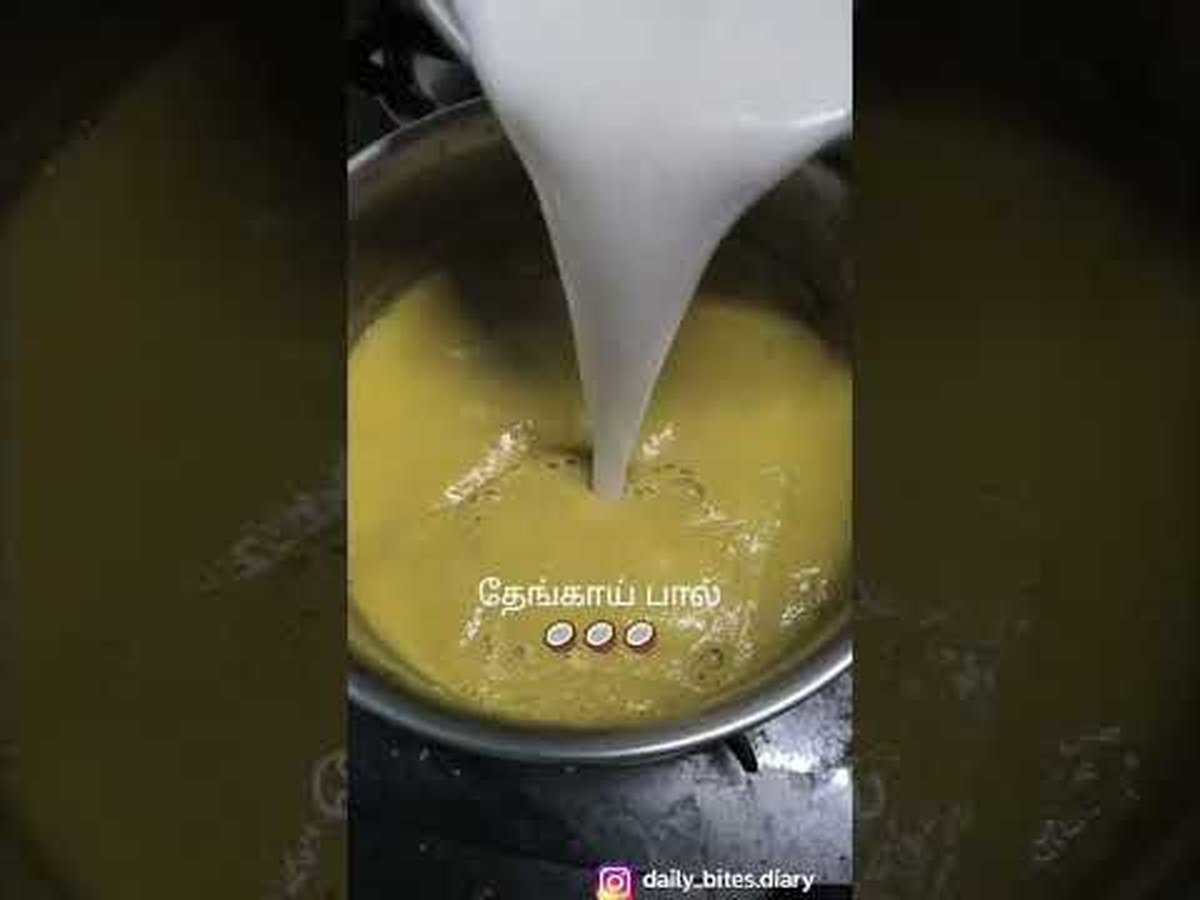
Paruthi Paal (Madurai Cotton Seed Milk)
Madurai's traditional hot drink — cotton seed milk, jaggery, coconut and cardamom.