Drinks · Family
Paruthi Paal (Madurai Cotton Seed Milk)
பருத்திப் பால்
Ask anyone from Madurai about paruthi paal and they will tell you about a particular street corner and a particular time of evening. It is made from cotton seeds — soaked, ground and strained into a milk, then cooked with jaggery, coconut milk, cardamom and ginger. It is one of those recipes that is quietly disappearing, which is reason enough to write it down properly.
Method
-
Wash and soak the seeds
Wash the cotton seeds thoroughly through several changes of water — they carry a lot of dust. Then soak them for 6 to 8 hours, or overnight. This cannot be shortened; under-soaked seeds give almost no milk.
-
Grind and strain
Grind the soaked seeds with about a cup of water into a coarse paste, then strain it through a fine muslin cloth, squeezing hard. Return the residue to the mixer with more water and repeat — the second extraction still holds plenty of milk, and throwing it away is the most common mistake.
-
Melt the jaggery separately
Melt the jaggery in a splash of water in a separate pan, then strain it. Jaggery almost always carries grit and sand, and this is the only chance to catch it.
-
Mix in the rice flour
Whisk the rice flour into the cold cotton seed milk and coconut milk until completely smooth. Same rule as any porridge — flour goes into cold liquid, never hot. The rice flour is what gives paruthi paal its body.
-
Cook it gently
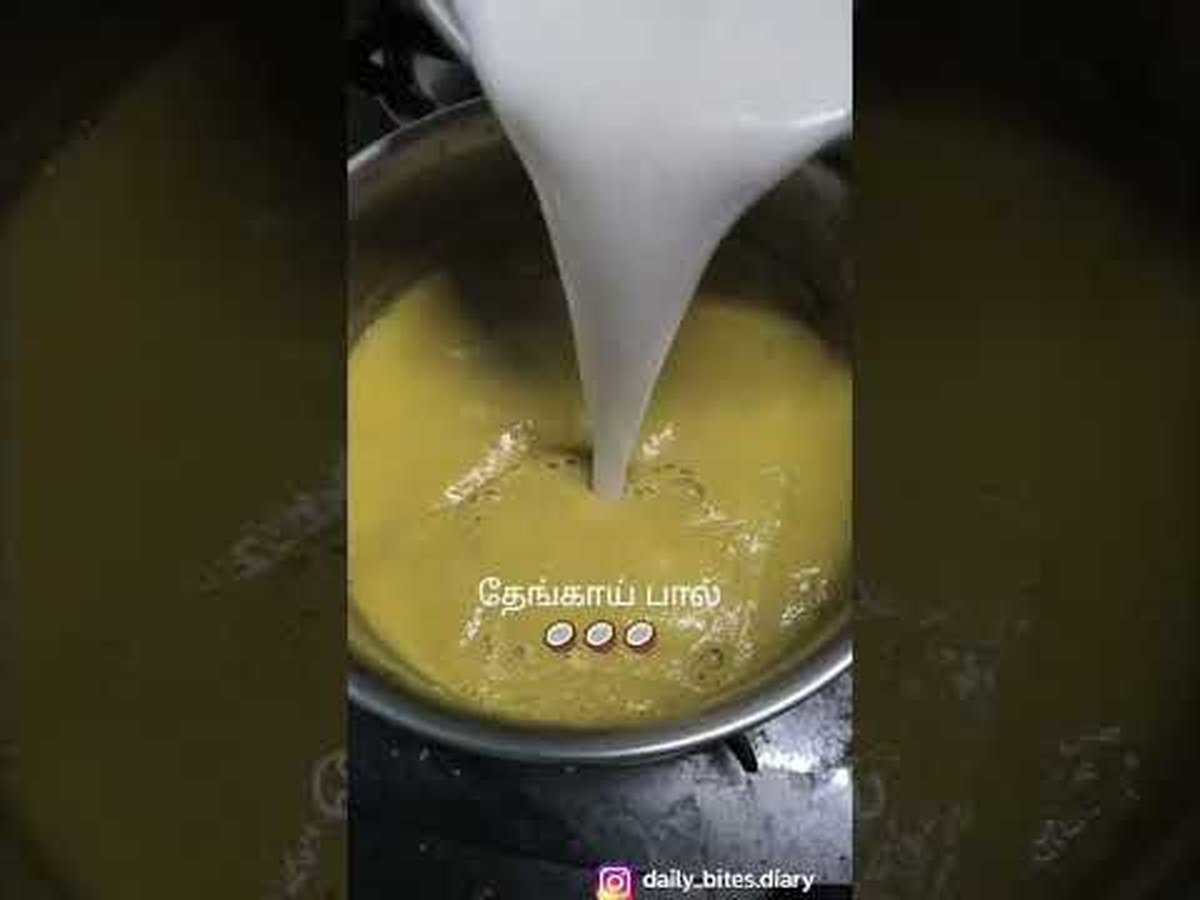
Add the crushed cardamom and the ginger. Cook on low heat, stirring continuously, until it thickens a little and coats the spoon. Do not let it boil hard — coconut milk splits.
-
Add the jaggery last
Only now add the strained jaggery syrup and the rest of the coconut milk. Simmer a few more minutes on the lowest heat and serve hot. Jaggery goes in at the end — added early, it curdles the milk.
Jaggery goes in last, always
Adding jaggery to milk that is still cooking hard will split it, and there is no recovering it. Low heat, jaggery at the end, and never a rolling boil once the coconut milk is in.
Where to find cotton seeds
Paruthi vidhai is sold in traditional grocery shops and Nattu marundhu kadai across Tamil Nadu, and online. Buy the clean, sorted kind if you can — it saves a lot of washing. Store them airtight; they turn rancid faster than you would expect.
Why people drink it
In Madurai it is drunk hot in the evening, and it has a long reputation as a strengthening drink, particularly for new mothers. Treat that as tradition rather than medicine — but as a jaggery-and-coconut drink with no refined sugar, it is a genuinely good one.
A note for young children
This is a family drink rather than a baby food. Jaggery is not suitable before one year, and the ginger makes it warm for small children. For toddlers, serve a small quantity, well diluted.
Questions people ask
What is paruthi paal made of?
Cotton seeds, soaked and ground into a milk, then cooked with coconut milk, jaggery, cardamom and ginger. It contains no dairy at all despite the name.
Why did my paruthi paal split?
The jaggery went in too early, or it was boiled too hard after the coconut milk. Keep the heat low and add the jaggery syrup at the very end.
Can I use dry ginger instead of fresh?
Yes — about a quarter teaspoon of dry ginger powder (sukku) in place of the fresh piece. It is the more traditional choice.
How long does it keep?
It is meant to be drunk hot and fresh. It will hold a day in the fridge, but the texture thickens and it is much better made in the quantity you will finish.
Next, try these
 Baby Food
Ragi Porridge for Babies (Kezhvaragu Kanji)
The first solid food in most Tamil homes — iron, calcium and no fuss.
 Smoothies
Karuppu Ulunthu Beetroot Milk Smoothie for Toddlers
Bright pink, naturally sweet, and packed with iron. Our most-watched recipe.
 Baby Food
Ragi, Dates and Carrot Baby Food (No Added Sugar)
Naturally sweet, filling and nutritious. The dates do the sweetening, so no sugar goes in.